Enya Display Font for Elegant Web Branding
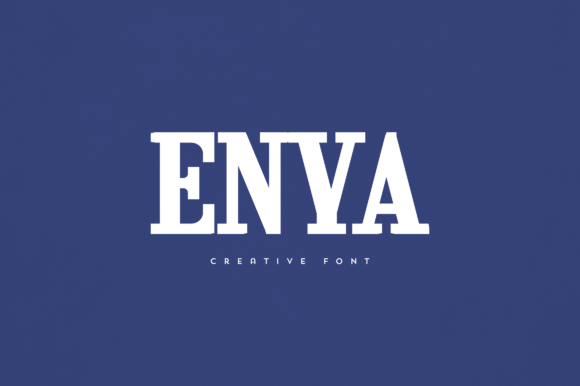
When a landing page needs to communicate sophistication at first glance, the typeface you choose carries that message before a single word is read. Enya is a display font that delivers exactly that — a graceful, memorable presence designed to make logos, headlines, and editorial accents feel intentional and distinctive. For web designers and digital product creators, Enya fills a specific role: it works where generic system fonts fail, turning plain text into an ownable brand statement without sacrificing on‑screen clarity.
Enya for Logo Design and Memorable Brand Marks
Every brand mark needs a typographic voice that won’t get lost among competitors. Enya, as a display font, offers the kind of graceful letterforms that sit comfortably in primary logos, wordmarks, and monograms. Its elegance isn’t fragile — it holds shape at small sizes on responsive nav bars and shines on large‑format hero banners. Because Enya is an elegant and versatile font that will make your typography truly unique, it gives brand identity designers a shortcut to a look that feels custom, without requiring hours of custom lettering. For online stores that sell home‑ware, skincare, or curated lifestyle goods, Enya instantly signals quality and care.
In practice, you might use Enya for the main logotype on a boutique e‑commerce site, then pair it with an understated sans serif for taglines. The font’s personality carries enough visual weight that it doesn’t need a decorative icon to make the identity stick. That makes it a strong candidate for minimal, typography‑led branding projects.
Using Enya in Hero Headlines to Establish Visual Hierarchy
A visitor scanning a landing page makes a split‑second decision about whether to stay. Enya helps you win that moment. When tested as a hero display font on a coaching website or a product launch page, its refined letterforms create an immediate contrast against typical sans‑serif body copy. That contrast drives the visual hierarchy — the headline pulls the eye, the supporting text informs, and the CTA gets clicked. For fonts that need to carry brand tone as well as readability, Enya performs particularly well on light backgrounds with generous line‑height, letting its details breathe.
To keep the experience accessible, use Enya for no more than one or two hero phrases. A headline like “Handcrafted Ceramics for Modern Living” set in Enya on a studio’s homepage will feel elevated, not overwhelming. On mobile, bump the font size up slightly and reduce word count — the typeface’s distinct character can become busy at smaller sizes, so short, impactful lines work best.
Enya for Home‑ware Branding and Digital Storefronts
One of the most natural homes for Enya is a display font used across home‑ware and interior‑focused digital storefronts. The phrase this font is perfect for branding projects, home‑ware de disappears into the background when the same letter shapes appear on product labels, Lookbook slides, and announcement banners. Because Enya brings an editorial softness, it aligns beautifully with ceramic studios, textile designers, furniture makers, and artisanal food brands who sell online. Used on a Shopify collection page heading or a promotional banner, Enya subtly upscales the perceived value of the products below it.
In these environments, web designers can use Enya on category titles, featured blog headers, and announcement bar text — sparingly. The font’s elegance is a tool for zoning, helping users orient themselves among product images without visual noise.
Enya Font Pairing with Clean Sans Serif for Responsive Web Design
No display typeface works alone. Enya shines brightest when it’s paired with a dependable workhorse — a neutral sans serif font that handles long‑form reading. Common web pairings include Enya for H1 and H2 headings, with Inter, Lato, or system UI fonts for body copy. This is a classic font pairing strategy for display fonts: the decorative character of Enya adds flair while the sans keeps screens scannable.
How Enya Complements a Neutral Sans Serif for Body Text
When you use Enya on a course sales page or a digital product launch, set paragraphs in a simple sans serif at 16–18px. Enya’s graceful terminals and subtle contrast won’t compete with body text if you maintain clear spacing. On dark backgrounds, check that hairline strokes remain visible — testing across devices is essential. If the typeface includes multiple weights, a slightly bolder weight for headings on dark mode prevents thinning. For mobile screens, stack lines generously and avoid using Enya for critical UI labels like navigation items or buttons below 14px; its decorative nature can reduce tap‑target readability. Reserve it for art‑directed moments.
Enya for E‑Commerce Banner Typography and Product Showcases
Online shop banners and promotional sections need to capture attention without screaming. Enya as a display font lends a quiet confidence to sale announcements, new collection reveals, and seasonal campaign headers. For a home‑ware brand launching a summer collection, a banner with “Summer Air” set in Enya over a lifestyle image feels curated, not commercial. The same approach applies to email headers and social media ad graphics where type becomes part of the visual composition.
One practical tip: when overlaying Enya on an image, use a semi‑transparent scrim or a gentle drop shadow to maintain legibility, because its thin strokes can disappear into busy backgrounds. Also, ensure your CDN‑hosted web‑font format includes WOFF2 for fast loading. A slow‑loading display font on a product page can hurt conversion, so subset and compress the web‑font files properly.
Enya on Landing Pages: Boosting Engagement with Decorative Headings
Conversion‑focused layouts rely on clear content partition. Enya helps section headings feel like natural breathers between blocks of information. On a SaaS landing page, a headline like “Built for calm focus” set in Enya above a feature grid immediately signals a different brand personality than a generic geometric sans. The typeface carries emotional weight — soft, intentional, human — which can increase time on page and reduce bounce on storytelling‑heavy sites.
Web designers building for coaches, wellness apps, or editorial platforms can use Enya to mark testimonial headlines, quote call‑outs, or pricing tier names. Because the font’s forms are unique, it becomes a subtle trust signal: it shows that the brand invests in the details, not just a template.
Enya Display Font in Portfolio Sites and Creative Agency Branding
For a designer’s own portfolio, the typeface you pick says as much as the work. Enya as a signature display font can tie together case study titles, navigation elements, and your personal logotype. Its elegance avoids trend cycles — you’re less likely to look dated next year — and when you use Enya across your brand kit, you demonstrate intentional font pairing and restraint. Enya will enchant every logo, branding, headline, or plain text you apply it to, making your own site a live case study.
For agency sites, Enya works well on “About” page pull quotes or services section headers. If you offer brand identity packages, consider using Enya in the presentation deck as well, so clients experience the font in context before they buy. This creates a cohesive designer‑client experience that speaks to professionalism.
Licensing Enya Font for Commercial Web Projects and Client Work
Before rolling out Enya on a paying client’s site or your own online store, confirm the license covers web use, app embedding, and digital templates. Many display fonts are available with a standard commercial license that includes pageview limits or requires an extended license for e‑commerce use. If you’re building a theme or a digital product for resale, verify that the font’s license allows redistribution as part of a design asset — fonts used in Canva templates, website kits, or client deliverables often need a broader license tier.
For web‑font usage, check if Enya is offered in formats like WOFF and WOFF2, and whether it supports multilingual characters if you’re serving a global audience. Proper self‑hosting or reliable CDN delivery keeps the site performant. When you handle licensing properly, Enya becomes a safe, repeatable asset across all your branding projects, from home‑ware stores to agency reels, without legal friction.